By the team at Dawmouse Montessori — a private Montessori nursery in Fulham that has cared for local families since 1975.
Last updated 21 Oct 2026
Choosing a nursery, wherever you live, is really a question of where your child will feel known and cared for, and while every setting will show you bright rooms and busy displays on a tour, what tends to matter far more over the two or three years a child is with us is both convenience and practicality of a nursery’s location and offering, and the quieter things for your child: how well the staff know each child, how much room there is to be outdoors, and whether the day is built around the children or around the timetable. We have been a Montessori nursery in Fulham for over fifty years, and these are the things we would suggest you look at first.
What should you actually look for when choosing a nursery?
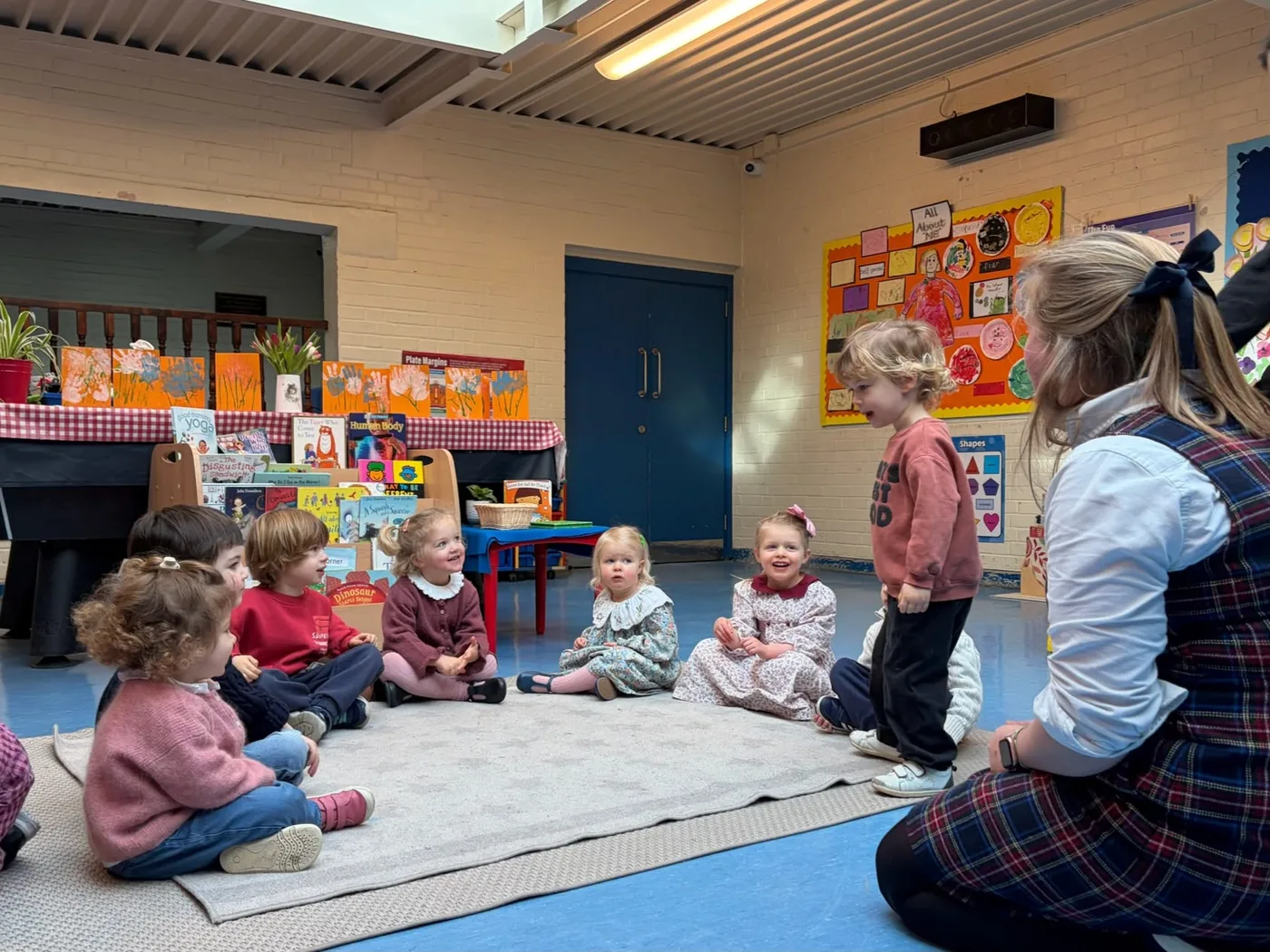
Beyond the practicalities of location and hours, the two questions worth asking on any visit are how the staff talk about the children, and how the children themselves seem while you are there, because a room where the little ones are absorbed in what they are doing, and where the adults speak about them with real familiarity, tells you far more than any website or policy document can. We would also look hard at the outdoor space, since in a part of London where gardens are scarce, the amount of time a child actually spends outside varies enormously from one nursery to the next.
Why does the size of the setting matter so much?
Because a child who is known by name, is a child who is understood. We have always kept Dawmouse deliberately small, set within the Brunswick Club on Haldane Road, so that every stage of a child’s development is seen by us with regular updates for parents, so that parents feel part of a familiar community rather than a name on a long register. A smaller setting is not right for every family, but for many in Fulham it is the difference between a nursery that minds their child and one that truly knows them.
What difference does the Montessori approach make?
Quite a lot, though it is easily misunderstood. In practice it means we follow the child rather than march a whole room through the same activity at the same moment, giving each one the space to settle on something that genuinely absorbs them and the time to see it through, which is how both independence and a real love of learning tend to take root. If you would like a fuller sense of what that looks like day to day, we have written more about our approach, though the easiest way to understand it is simply to watch it happen.
How do you make the final decision?
We tend to say the same thing to families weighing us up against another nursery, which is to come and stand in the room, because a tour will give you the facts while ten minutes watching a session will tell you how a place feels, whether your child would be happy there, and whether these are people you would trust – and that instinct, more than any checklist, is usually the one worth following. You are very welcome to join us at an open morning or book a quiet visit whenever it suits you.
What sets Dawmouse apart from other Fulham nurseries?
A few things we are quietly proud of, all of which you are welcome to check for yourself. Some call us ‘Fulham’s forrest school – without the forrest’. We have exceptional outdoor space, a five-a-side pitch, all within a gated complex allowing for maximum time outdoors, and giving parents and teachers peace of mind – no high viz necessary! We are an Ofsted-registered nursery rated Good, working within the Early Years Foundation Stage, and our mixed-age rooms are each led by a Montessori-qualified teacher, so younger and older children learn alongside one another in the way Montessori intended. We are also one of the few dedicated Montessori pre-schools left in London, and our principal, Miss Claire, trained here at Dawmouse before going on to own it – which tells you something about how much the place gets under your skin.
What does a child get here beyond the classroom?
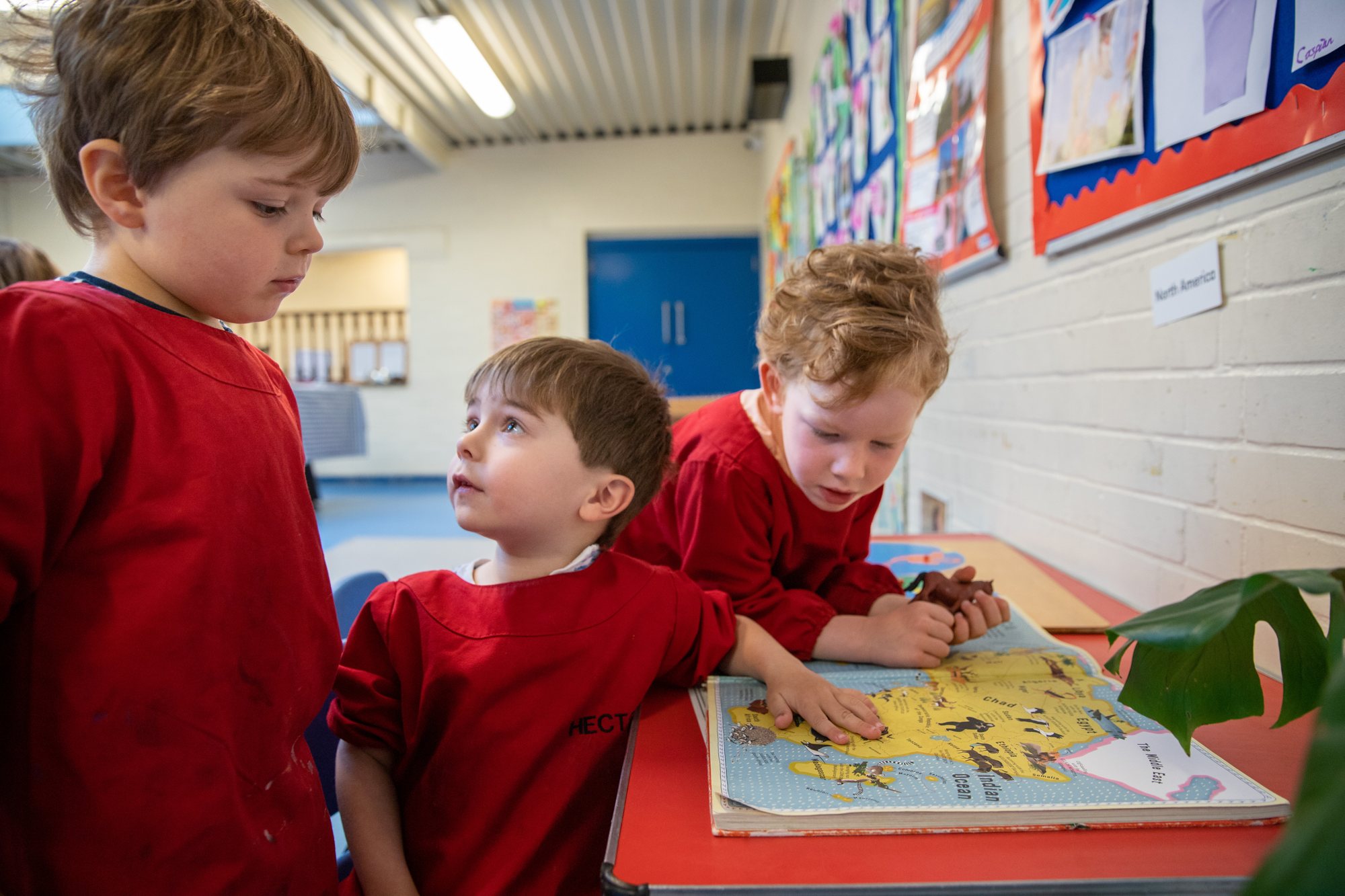
More than you might expect from a small setting, because the week is threaded with extras that keep it varied – weekly sports sessions with Coach Patsy on our own fenced outdoor field, a music class that builds towards end-of-term concerts, a French lesson, and topic weeks that might travel from the solar system to the continents depending on where the children’s curiosity leads. We try to make family life easier with flexible pick-up times, too, and we keep parents genuinely in the loop with weekly updates through the My Montessori Child app rather than a hurried word at the door.
If you are shortlisting nurseries locally, the natural next step is to see how all of this looks in practice at our Montessori nursery in Fulham, and we would love to show you around, so do arrange a visit and come and meet everyone at Dawmouse.
If you’re comparing the day nurseries in Fulham and want to see how a Montessori nursery school in SW6 feels in practice, the best next step is to visit — you can check admissions and term dates whenever you’re ready.